Geometry Dash Cold Sweat Wave – Precision Flying Challenge
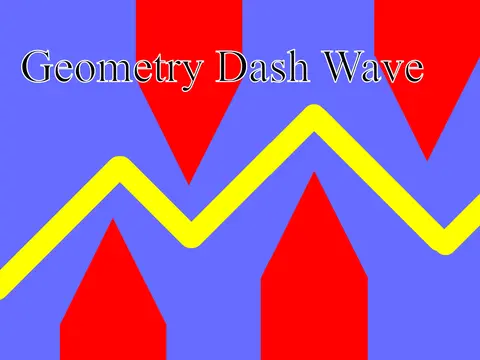
Take on the Geometry Dash Cold Sweat Wave, a precision-focused wave mode challenge that tests your flying skills to the limit. This intense level demands perfect control and quick reflexes through tight corridors and rapid obstacle sequences.
Gameplay Options
- Original Challenge: Full difficulty experience for wave mode masters – it's possible with practice!
- Nerfed Version Available: If the original proves too intense, try the modified version at https://scratch.mit.edu/projects/434647117/ for a more accessible experience
Core Controls
- Jump Controls: Up Arrow, W, Space, or mouse click to jump and activate yellow rings
- Ship Mode: Hold to fly up, release to descend – master this for precision flying
- Jump Pads: Yellow pads provide high jumps for navigating obstacles
- Coin Collection: Gather bonus coins throughout the level for extra challenge
- Performance Toggle: Press L to toggle effects for smoother gameplay
Editor Mode Access
Press Z and M to switch between play and editor modes, giving you complete control to analyze and practice difficult sections.
Editor Block Menus
- 1: Blocks menu
- 2: Inside geometry objects
- 3: Spikes and hazards
- 4: 4-length long blocks
- 5: Special objects
- 6: Speed Portals and advanced mechanics
- 7: Slopes and angled platforms
- 8: New pits and environmental objects
- 9: Monsters and interactive elements
Practice Features
- No-Clip Mode: Press N to toggle no-clip for learning level layout
- Checkpoint Practice: Use Z in practice mode to create checkpoints
- Effect Toggles: Reduce lag with L key for smoother runs
For additional wave practice, try Geometry Dash Wave Practice Mode. If you're working up to this challenge, start with Geometry Dash Wave Challenge.
Pro Tips
- Start with the nerfed version to learn patterns
- Use no-clip mode (N) to memorize obstacle placements
- Create checkpoints (Z) in practice mode for difficult sections
- Toggle effects (L) for optimal performance
- Focus on small, controlled movements rather than large sweeps